


Repeated Practice Builds Early Reading Skills
Updated: May 4

Learning to read is one of the biggest milestones in a child’s education. It literally changes the brain and shapes everything that follows. If you want to find out more, take a look at this short video from the BBC.

If you have a child who has just started learning to read or is struggling to do so, this post is for you.
Reading doesn’t happen automatically once a child turns 5 or 6 and enters school. If only it did! Becoming literate is a skill that takes time, and even with the best instruction, all children need space to practise. This is often the missing ingredient many children need to flourish.
In the clinic, I work with a variety of students who share one thing in common: they are not readers yet! But with time, attention and the right resources, they will become readers soon.
To become readers, all children need:
An engaged, attentive, supportive adult who delivers systematic, cumulative instruction.
Relevant resources and activities that build skills and knowledge
Time to revisit previously taught skills and knowledge
Space to grow
When children are supported, they thrive. Supported instruction from engaged, attentive adults also catches difficulties early enough for early intervention to happen in a timely manner, improving all long-term outcomes for students. When support is rushed, inconsistent or has gaps, progress and development will stall.
Every student I meet doesn’t want to practice. It’s not as fun as swimming, and they don’t feel the wind that grabs them as they are riding their bike. So, it’s my job to create the right situation for them to feel the fun. We have to nudge them in the right direction, one nudge at a time.
What works best
Simple, repeated opportunities to apply knowledge and skills. Practice must match what has already been explicitly taught.
The key activities we use in the beginning:
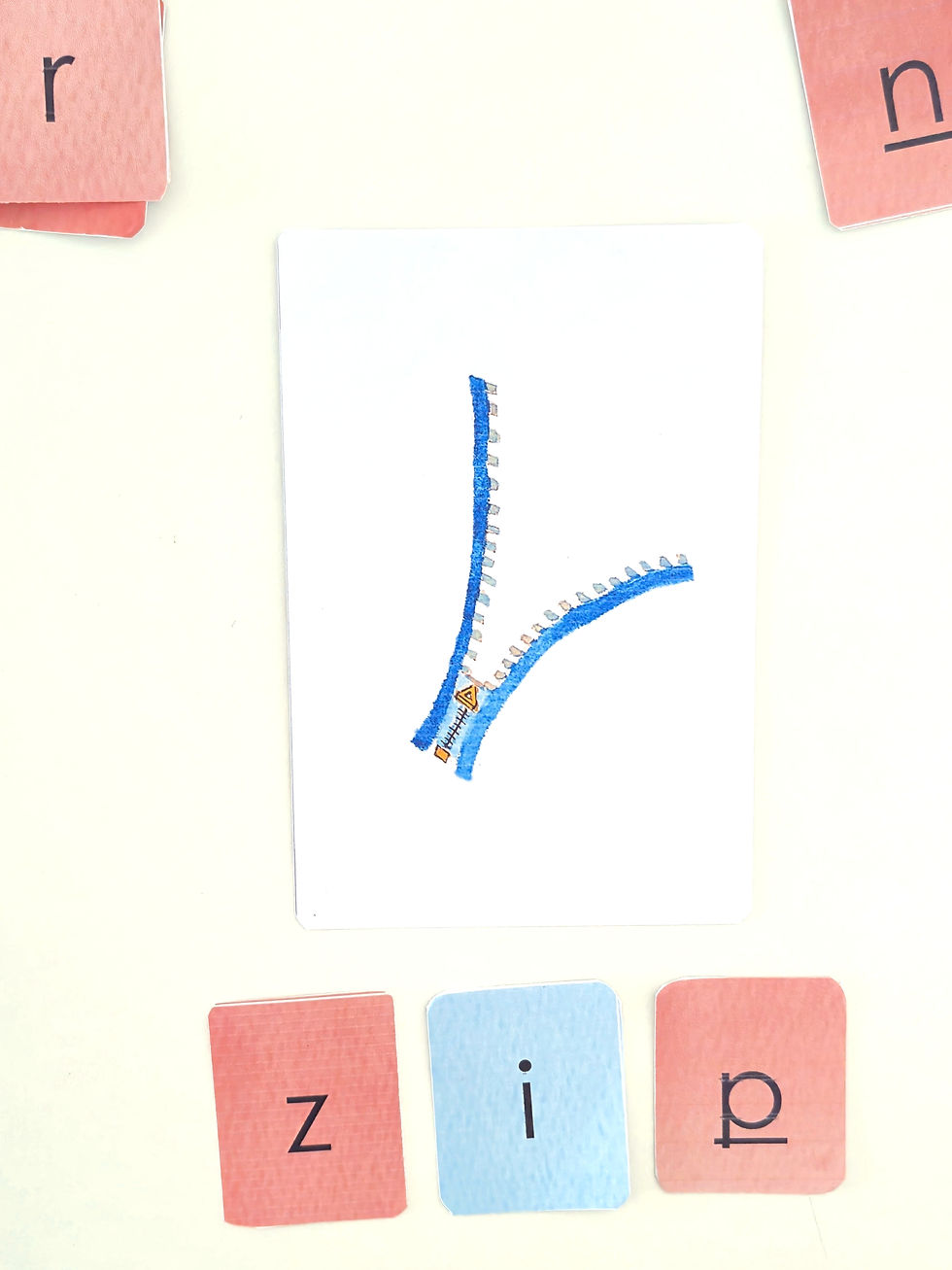
Word building with letter tiles
In the beginning, building one word to match a picture is progress. Over time, students will build a word chain.

Writing Lists
After word building, we write the list and reread the words. This builds the alphabet knowledge and blending and segmenting skills needed for early literacy to flourish.

After writing, we often add words to sentences – oral first, then written.

Next, we read, write and draw a picture to go with a word or sentence. This activity is always sent home for repeated practice.
Reading Lists

Sometimes I have students who can't cope with a book, so we start with lists, then sentences, and finally a story sequence to get them going. We might use a decodable reader or a short one-page printed story.

Once my students can read short sentences, we move on to a quick quiz. Check out the initial code and first digraph packs here.

Creating our own quizzes is a great reason to write.

Dictation
The adult says a sentence or words that contain previously taught letters and sounds. This is an informal way of assessing how students are going. I tend not to use the word dictation because it sounds like I am telling them what to do, and it isn’t really a nudge, so in the clinic, we call it "I say it, you write it." Over time, my students do this too. They say it, and I write it. Then they check my work for errors.

We play lots of games. Games that feel fun, but lots of skill building and alphabet knowledge are being learned in the process. Games are always in home packs, as they are often easier to use than books at first.
A simple track game can be used in many ways. After each roll, each player turned over a word card. They then matched to a picture and built the word to move on one space.
Practice builds confidence and fluency
Effective repetition that targets the right skills and knowledge helps students to:
Build strong letter-sound knowledge. This helps students to accurately decode unfamiliar words.
Builds the blending and segmenting skills needed to develop the automaticity that leads to fluency.
Builds confidence and an ‘I can do it attitude’
Practice matters?
As reading becomes more automatic, children can focus less on decoding and more on meaning. Repeated practice targeting previously learned letter-sound patterns, in conjunction with the skills of blending, segmenting, and manipulation, will build reading fluency over time.
When we support students by giving them the time needed to repeat previously taught skills and knowledge, learning sticks. Over time, reading starts to feel easier and requires less effort.
To read more about the benefits of repeated practice, check out this post.


Comments